The best time to visit is April to June and September to October, when the weather is mild and pleasant. In spring (April–June), temperatures range between 15–25°C, landscapes are lush and green, and it’s perfect for outdoor exploration, with the Nowruz festival celebrated in March. Summer (July–August) can be hot in Baku (30–35°C), but it’s ideal for mountain escapes to Gabala, enjoying the Caspian Sea beaches, and longer daylight hours. Autumn (September–October) brings comfortable temperatures, harvest season in vineyards, beautiful fall colors, and is perfect for city tours. Winter (November–March) is cold and windy in Baku, with snow in mountain regions like Shahdag for skiing, fewer tourists, and cozy indoor experiences.

Explore Azerbaijan
Explore deals, travel guides and things to do in Azerbaijan
What to know before visiting Azerbaijan
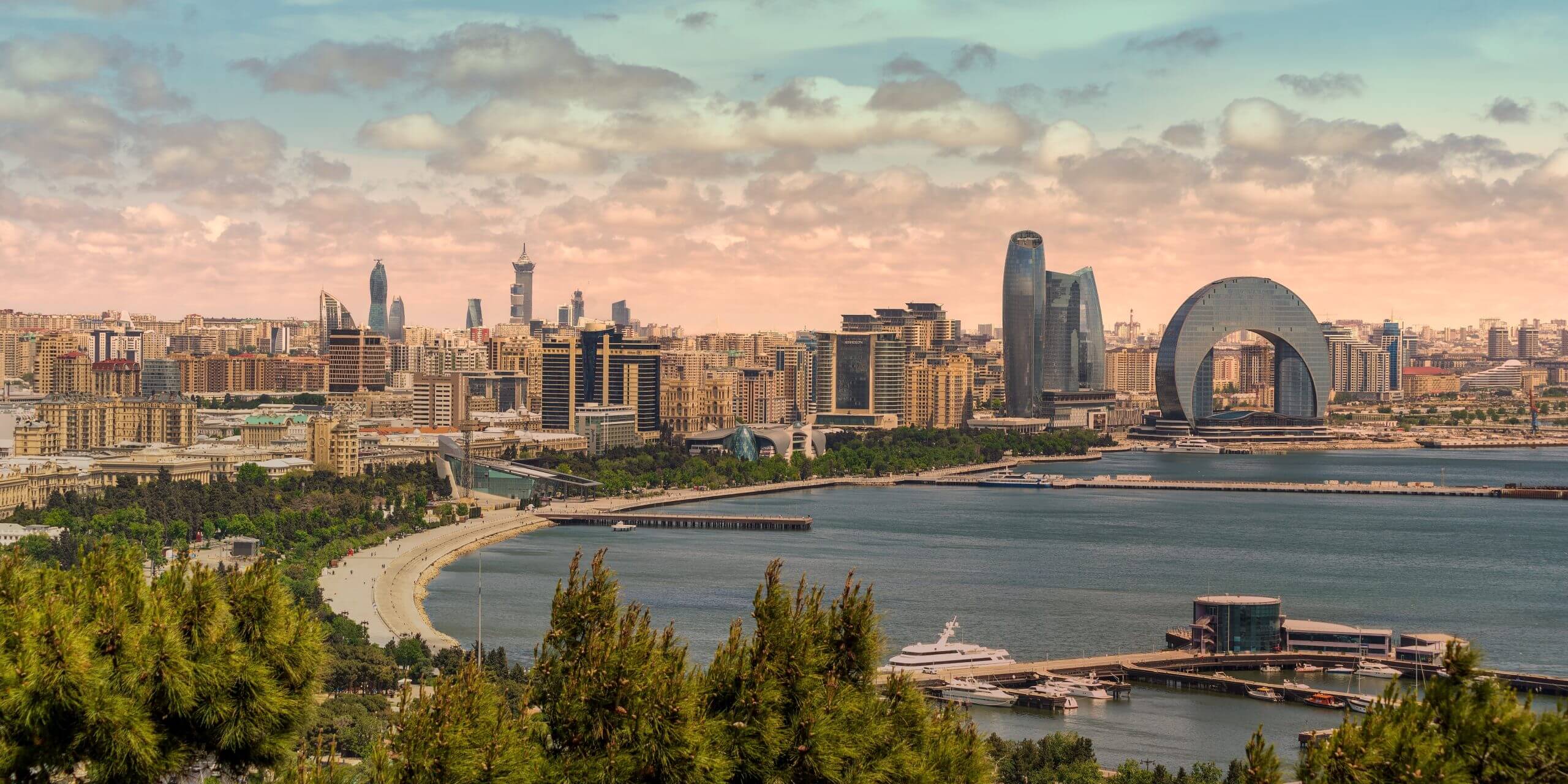
Azerbaijan is a captivating blend of East and West, where centuries-old traditions coexist with futuristic architecture. From the flame-shaped towers of Baku to the ancient petroglyphs of Gobustan, this “Land of Fire” offers travelers a unique journey through history, culture, and natural wonders. With its rich Silk Road heritage, delicious cuisine, and warm hospitality, Azerbaijan is waiting to surprise you.
Language: Azerbaijani (Russian & English widely spoken in tourist areas)
Visa: E-visa available for most nationalities (3 working days)
Cultural Etiquette
Greetings: A handshake with a smile is standard. Men should wait for women to extend their hand first.
Hospitality: Azerbaijanis are incredibly hospitable—accepting tea or snacks is polite.
Dress Code: Conservative dress is appreciated, especially when visiting mosques or rural areas.
Photography: Always ask permission before photographing locals, especially in villages.
Shoes: Remove shoes when entering homes and some mosques.
Practical Information
Electricity: 220V / 50Hz (European-style round pin plugs).
Water: Tap water is not recommended for drinking—stick to bottled water.
Internet: Fast Wi-Fi available in hotels and cafes throughout Baku.
ATMs: Widely available in cities; carry cash for rural areas.
Tipping: 10% is appreciated in restaurants if service charge not included.

When to visit

Getting around
Heydar Aliyev International Airport is located about 25 km from Baku city center, and your Travo package includes private airport transfers to ensure a smooth, stress-free arrival. Within Baku, the metro is clean, efficient, and very affordable (around 0.30 AZN per ride), while buses cover an extensive city network. Taxi apps like Bolt and Yango are reliable and budget-friendly, and the city center—especially along the Boulevard—is highly walkable. For travel between cities, your Travo package provides private transportation with an English-speaking driver. For future independent trips, you can use overnight trains connecting Baku with major cities, modern regional coach services, or opt for car rentals, though driving styles can be adventurous.

Traveler tips
Save money by eating at local bakeries (çörək), where you can enjoy fresh, affordable bread and snacks. Use the metro instead of taxis during peak hours to avoid traffic and reduce costs. Plan museum visits on free-entry days (usually the first Monday of the month) to cut down on sightseeing expenses. For souvenirs and local goods, shop at traditional markets (bazaars), where prices are often better and bargaining is common.

Food Tips

Safety Tips
Azerbaijan is generally very safe for tourists, especially in major areas like Baku and popular attractions. As with any destination, keep your valuables secure in crowded places and stay aware of your surroundings. Women travelers are advised to dress modestly when visiting religious sites. In case of emergency, dial 112 for immediate assistance. It’s also recommended to register with your embassy upon arrival for added security and travel support.

Photography Tips
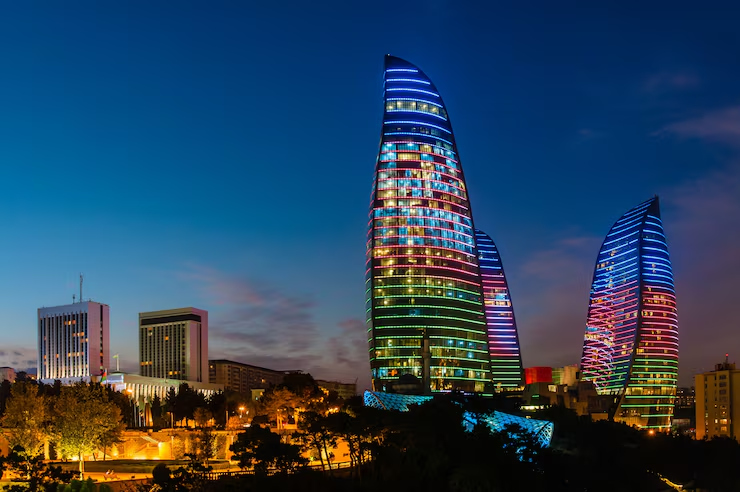
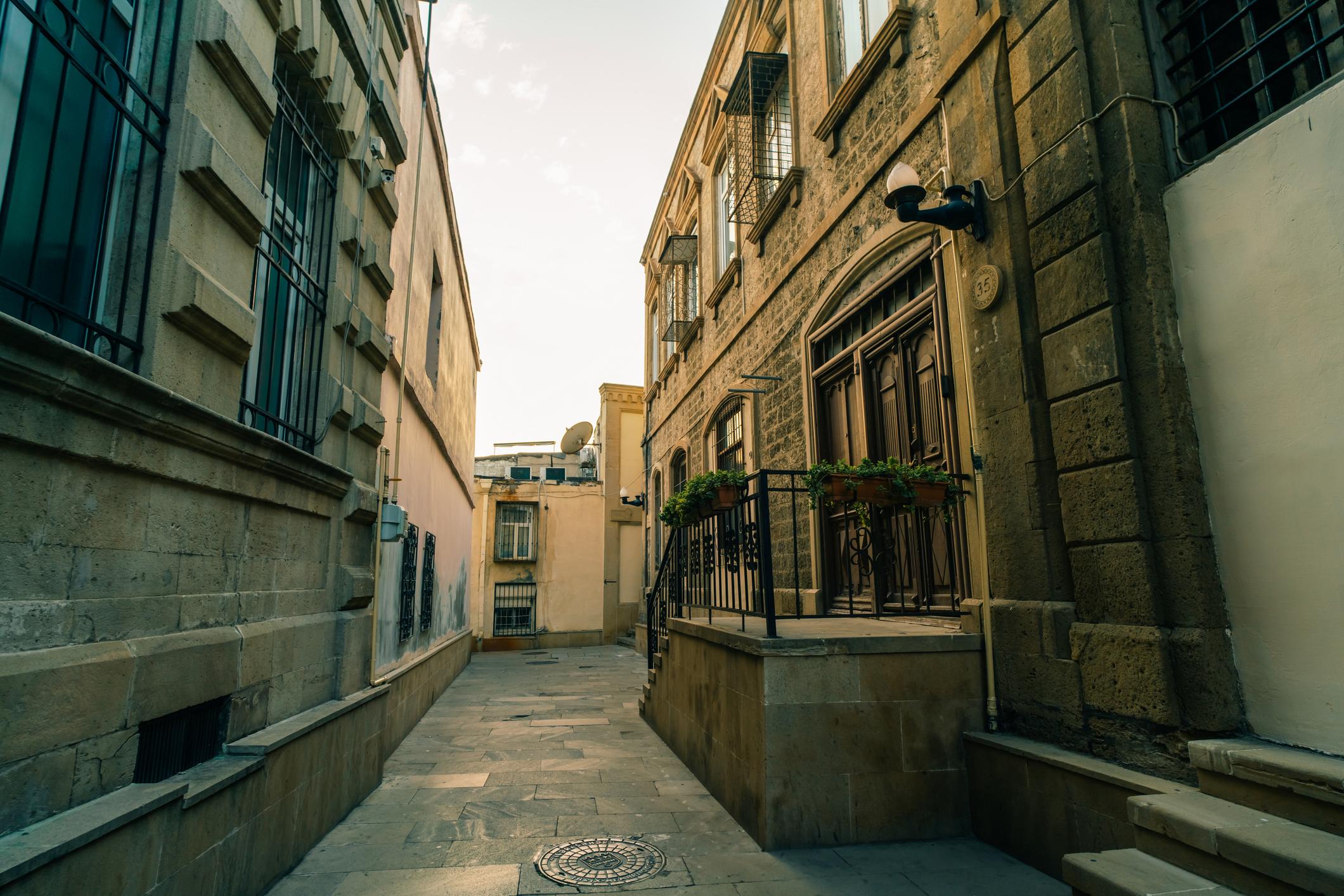
For the best sunset views, head to Highland Park or admire the glowing skyline near the Flame Towers. Experience the magic of the Icherisheher early in the morning before the crowds arrive. Enjoy evening walks along Baku Boulevard when the city lights reflect beautifully on the Caspian Sea. In Gabala, the surrounding mountain landscapes are at their most breathtaking during golden hour.

Shopping Tips
Authentic Azerbaijani carpets are true masterpieces and make meaningful souvenirs reflecting the country’s rich heritage. When buying saffron, choose reputable shops to ensure quality and authenticity. Local tea varieties are excellent gifts, often beautifully packaged. Pomegranate products—such as juice, wine, or sauce—are also popular and uniquely Azerbaijani. Bargaining is expected in bazaars, but fixed prices are standard in regular retail shops.
Discover Packages In Azerbaijan
Blogs Related To Azerbaijan
FAQs about
Uzbekistan
Yes, Azerbaijan is generally very safe for tourists, especially in Baku and major tourist areas. Standard travel precautions are recommended, such as keeping valuables secure in crowded places.
Most travelers require a visa, but many nationalities can apply easily through the e-Visa system (ASAN Visa). It’s recommended to check the latest visa requirements before traveling.
The local currency is the Azerbaijani Manat (AZN). Credit cards are widely accepted in hotels and restaurants in Baku, but it’s useful to carry cash when visiting smaller towns or bazaars.
The official language is Azerbaijani. English is commonly spoken in hotels, restaurants, and tourist areas in Baku.
You should try plov (saffron rice with meat), dolma (stuffed grape leaves), shah plov, and local tea (çay) served with jam.
Baku has a clean and affordable metro system, public buses, and ride-hailing apps like Bolt and Yango. The city center is also very walkable, especially along the Boulevard.
Yes, credit and debit cards are widely accepted in urban areas. However, smaller shops and local markets may prefer cash payments.
Yes, Azerbaijan is family-friendly, offering parks, museums, cultural attractions, mountain resorts, and seaside promenades suitable for all ages.
Casual clothing is acceptable in cities. However, modest dress is recommended when visiting mosques or religious sites.